
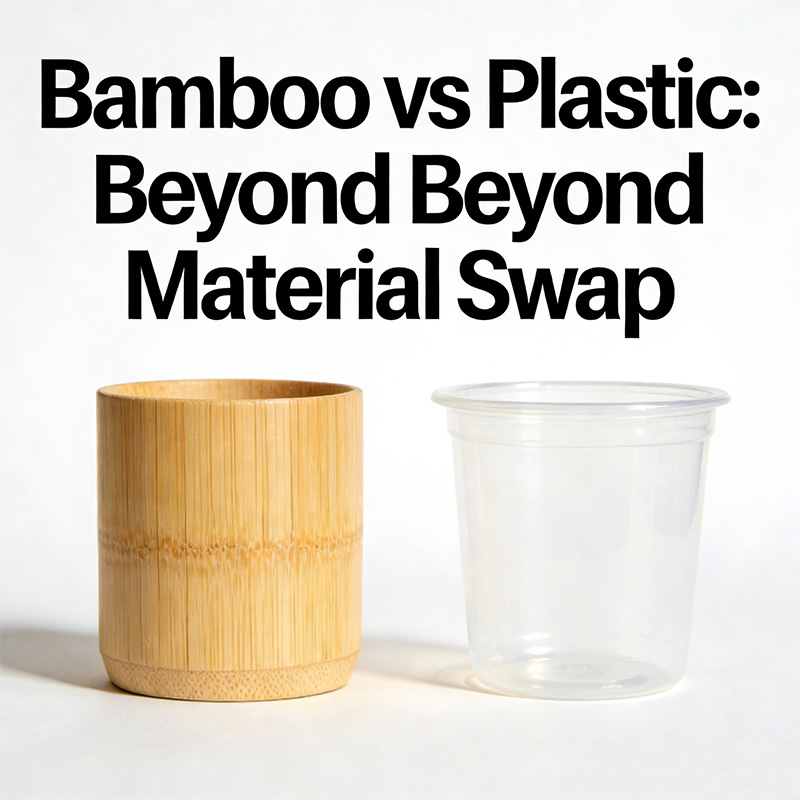
The idea of ”replacing plastic with bamboo” has gained increasing attention over the past year. However, simplifying this trend to merely a substitution of environmentally friendly materials underestimates its true significance.

For a growing number of companies, choosing bamboo is not driven by environmentalism, but by the need to address increasingly expensive and unmanageable existing material systems. This isn’t a battle of materials; it’s a reshaping of cost structures.
I. The Real Target: Out-of-Control Cost Models
Many believe that bamboo is replacing plastic simply because plastic is expensive. But in corporate accounting, what’s being phased out is the entire cost system, of which plastic is only the most visible component. This system is plagued by issues such as fluctuating raw material prices, rising energy costs, increased carbon emission and compliance costs, over-reliance on centralized overseas supply chains, and unpredictable costs due to policy or trade changes. What’s the biggest concern for businesses?
“We can no longer predict our unit costs three years from now.”
II. Plastic, Wood, and Pulp: An Increasingly Heavy Cost Burden
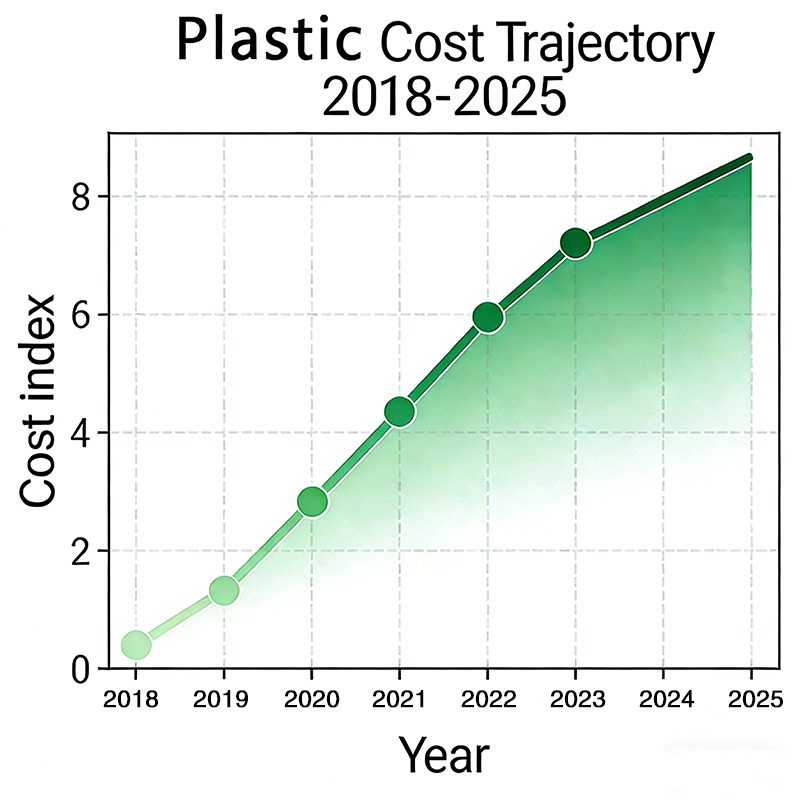
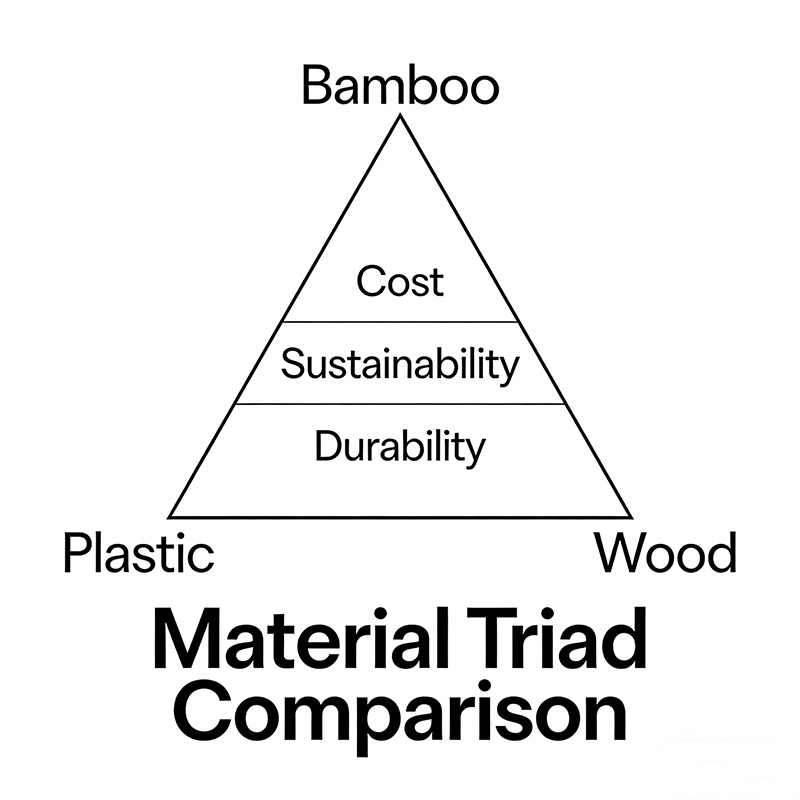
In the long run, a key trend is evident: the costs of traditional materials are becoming increasingly “heavy”.
Plastic: Besides environmental concerns, fluctuating petrochemical raw material prices, rising energy costs, stricter emission regulations, and stricter material restrictions for food, daily chemical products, and export products are all driving up its “total cost”. even if the nominal price hasn’t skyrocketed.
Wood: High-quality timber has a long growth cycle; overseas supply is easily affected by trade and quarantine regulations, and China is strengthening its protection of natural forests. The risk is not in the price, but in the instability of supply.
Pulp: Global reliance on wood pulp, high energy consumption, high carbon emissions, and extreme price fluctuations make long-term cost locking almost impossible, this has fueled interest in “non-wood pulp.”
III. The 2026 Turning Point: A Shift in Mindset
The critical question in 2026 isn’t “Will bamboo prices rise?”, but rather how we perceive the fundamental transformation of the bamboo industry: bamboo forests are no longer merely resources, but creators of cash flow; bamboo is an entry point into the value chain, not just a raw material; the bamboo industry itself is an asset portfolio, not just a project. This is a transformation based on first principles.
IV. The True Advantage of Bamboo: Systemic Cost Reduction
Choosing bamboo isn’t because it’s “cheap,” but because it offers a greater advantage across the entire cost system:
Raw materials: Renewable, short growth cycle (harvestable annually), and doesn’t occupy arable land, ensuring long-term cost stability and immunity to cyclical fluctuations.
Energy: High unit strength, stable fiber structure, and predictable post-processing performance make bamboo more energy-efficient in many scenarios.
Compliance: A low carbon footprint simplifies environmental and export audit processes. Clear policy guidance reduces risk and addresses the “hidden” costs currently plaguing businesses.
V. Why Now?
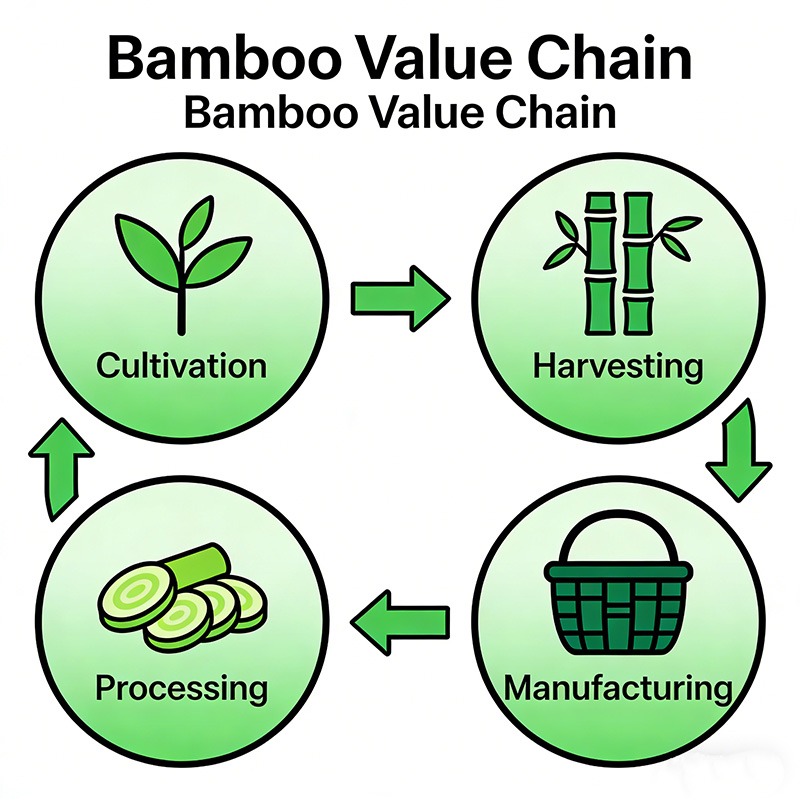
Three factors have converged to drive this trend: stricter policy enforcement, squeezed corporate profit margins, and the emergence of scalable alternative materials. Historically, bamboo has faced issues of unstable supply and unclear cost models. However, today, the bamboo value chain is forming, processing capacity is growing, and actual orders are steadily increasing. Companies aren’t being persuaded to adopt bamboo – their financial statements are forcing them to make the choice.
VI. Impact on the Bamboo Industry
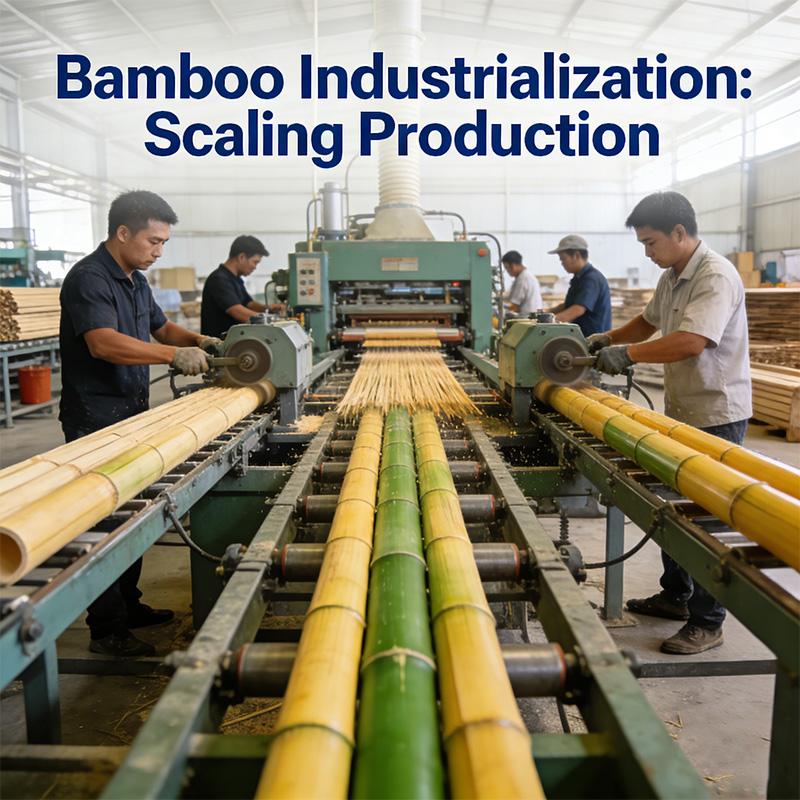
As bamboo enters the core cost system of businesses, a key challenge arises: demand exceeds capacity. This requires early harvesting of bamboo, scaling up factories, and increasing working capital.
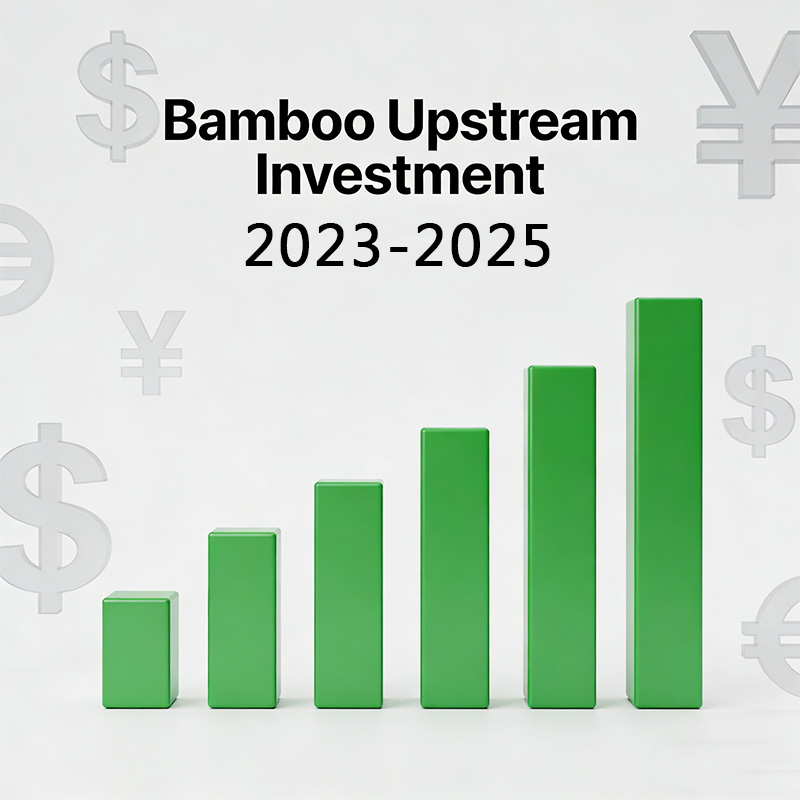
The key to industry growth lies in attracting capital flows to the upstream segments. Industry finance based on actual orders, raw materials, and cash flow is becoming the infrastructure for the next stage of the bamboo industry’s development.
________________________________________________________________________________________________________________________________________________________
If you are interested in our products, please contact us!
Email: admin@magicbambu.com
Tel: 0755 3551 0627
Website: www.Magicbambu.com
Social Media:
Facebook: https://www.facebook.com/profile.php?id=100085168014791
LinkedIn: https://www.linkedin.com/company/magicbamboo/
TW: https://twitter.com/MagicBambooo
IG: https://www.instagram.com/magicbambo0/
Post time: Jan-16-2026